How technicians find AC refrigerant leaks (and what homeowners might notice)
Oil stains, hissing lines, and rising utility bills can hint at leaks. Understand detection methods—electronic sniffers, dye, bubble tests, and pressure holds—before agreeing to a refrigerant recharge.
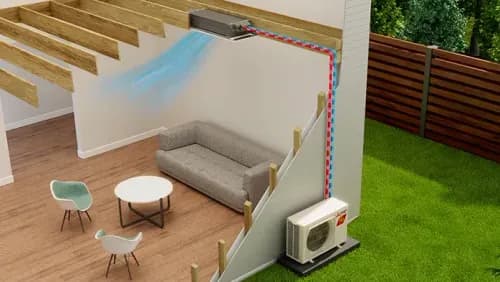
Refrigerant is not consumed like fuel; if a system is “low,” it leaked somewhere. Small leaks may take a full season to show up as warm supply air; large leaks can drop cooling capacity in days. In coastal-influenced climates—Jersey City waterfront, Bayonne, parts of Brooklyn—corrosion on line sets and flare fittings appears earlier than inland Bergen County lots with drier shade.
Homeowners might notice oil residue on insulation, frost on the larger vapor line when charge is wrong, or a hissing sound at a coil joint during quiet hours. None of these observations replace professional leak search, but they help the tech prioritize indoor versus outdoor inspection.
Electronic leak detectors sniff halogenated refrigerants at pinhole leaks. Dye injection (where manufacturer-approved) leaves a visual trail on coil micro-cracks. Nitrogen pressure holds isolate whether the leak is on the indoor coil, outdoor coil, or line set buried in walls—common when Essex County capes were finished without sleeve protection for linesets.
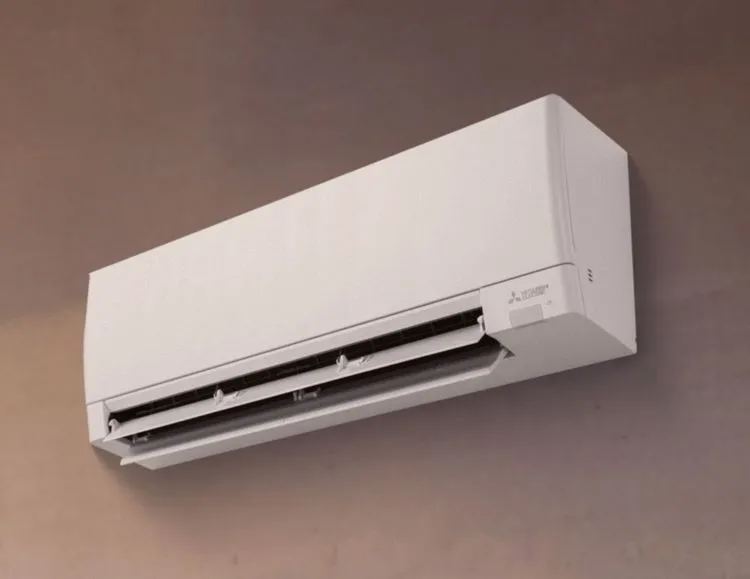
Bubble solution at flare nuts is a quick confirm for recent install issues; it is not enough for micro-leaks on evaporator tubes. Good contractors document leak location with photos before recovering refrigerant and brazing or replacing the failed section.
If someone offers to “top off” without a documented leak search, get a second opinion. Repeat top-offs without repair waste money and may violate best practice for systems approaching end of life—especially in NYC apartments where recovery logistics are tighter.
After repair, the system should be evacuated to manufacturer-spec vacuum, weighed-in charge or charged by subcooling/superheat targets, and run-tested in both cooling and (if heat pump) heating modes. Ask for before/after pressures or sensor readings appropriate to your equipment.