AC not cooling? What to check before you call (Bergen, Hudson, Essex & NYC)
Room-temperature air, weak airflow, and ice on the line set are common when an air conditioner stops cooling. Here is a safe homeowner checklist for hot days in North Jersey and New York City.
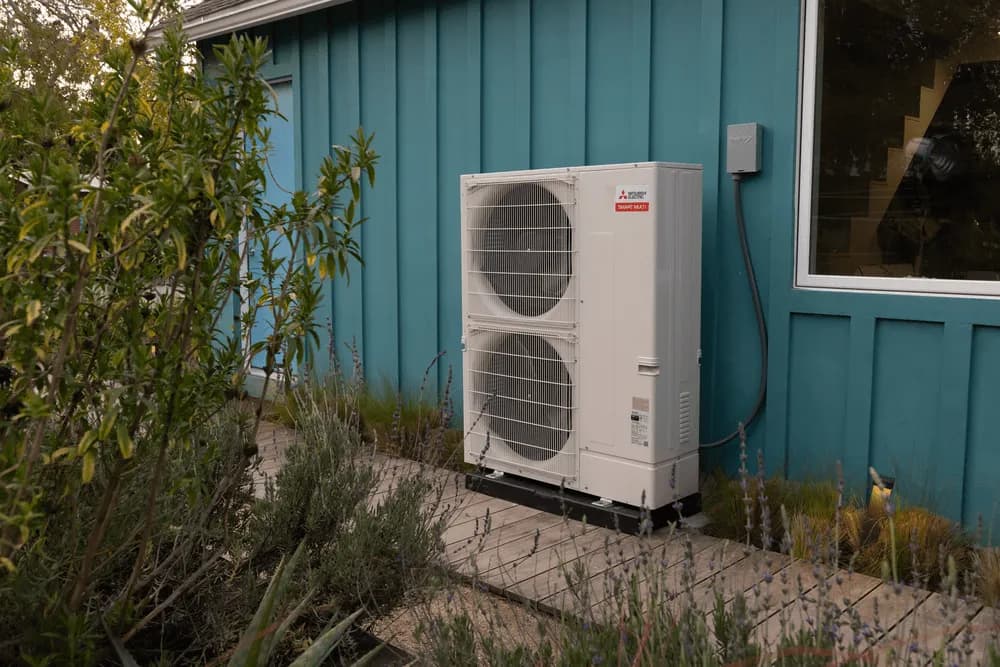
When the outdoor heat index climbs in Fort Lee, Jersey City, Newark, or across the river in Manhattan and Brooklyn, “not cooling” calls spike. Many causes are simple; a few require same-day professional service. Start with the thermostat: confirm it is set to “cool,” the fan is on “auto,” and the setpoint is below room temperature.
Replace a clogged return filter first. In older multifamily buildings common in Hudson County and NYC, restricted airflow can freeze the indoor coil—then you get little airflow and lukewarm air until the ice melts. If you see ice on the refrigerant lines or the indoor coil, turn the system off at the thermostat and allow it to thaw; running it frozen risks compressor damage.

Check the outdoor condenser for leaves, trash, or pet hair blocking the coil. Townhouses in Essex County and Bergen suburbs often have units tucked beside fences where debris collects. A dirty condenser raises head pressure and reduces cooling capacity on the hottest afternoons.
If vents still blow warm air after the filter is clean and the condenser is clear, the problem may be low refrigerant charge, a failed capacitor or contactor, a stuck reversing valve on a heat pump, or a compressor that is not starting. Refrigerant work and electrical diagnostics require EPA-certified, licensed technicians—especially in dense neighborhoods where access and shutoff locations vary by property.
Humid, sticky indoor air without temperature relief can also mean the system is running but not removing moisture effectively—often tied to airflow, charge, or oversized equipment short-cycling. A structured service visit measures superheat/subcooling (where appropriate), verifies amp draw, and documents findings so you are not guessing between “needs a charge” and “needs a new capacitor.”
Homeowners from Hackensack to Hoboken to the Ironbound and into Midtown should keep a log of symptoms: time of day, which rooms are hot, any unusual sounds, and whether water is pooling near the air handler. That history speeds up the first visit and reduces callbacks.